
NGL 2026 fills a real gap. There is no longevity forum in Asia-Pacific with the institutional credibility to sit alongside a hospital system or a health ministry — not a physician meetup, not a biohacker expo. It convenes at Nakanoshima Qross, Osaka's government-backed regenerative medicine innovation hub. And it is built for people who build things, not just those who study them: clinicians, founders, technologists, and investors share a common agenda.
Next Generation Longevity 2026 (NGL 2026) is a two-day global longevity medicine summit at Nakanoshima Qross in Osaka, Japan, on October 15–16, 2026. It brings clinicians, researchers, founders, and investors together for fireside chats, debates, and workshops on the real-world implementation of precision medicine, applied AI, regenerative therapeutics, and business strategy. And the setting is not incidental: in Japan, longevity isn't a frontier being pioneered, it's a way of life refined over generations, which changes the nature of the conversation.
NGL 2026 is built for depth over volume, a deliberately small room where the connections are real and the conversations continue long after the room clears. You leave with a specific plan in motion, not a notebook of ideas you'll never revisit.
What This Conference Is
What is the Next Generation Longevity 2026 conference?
A two-day global longevity summit built at the intersection of three things no other conference combines: institutional-grade science, advanced longevity medicine practice, and Japan's longevity culture. The program covers biological age diagnostics, hormone optimization, peptide therapeutics, regenerative medicine, GLP-1s, AI in clinical practice — plus the practical work of running a longevity practice or business. The headline is the room itself: decision-makers across medicine, business, and policy debating openly, with culture treated as substance rather than decoration.
Who is behind it?
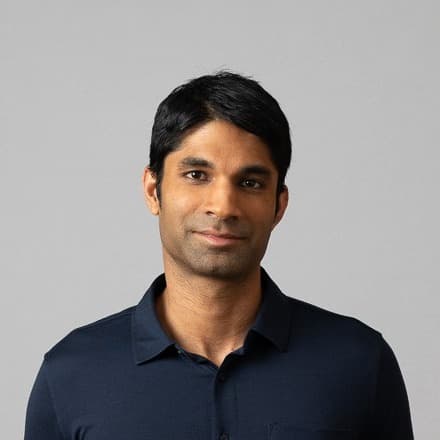
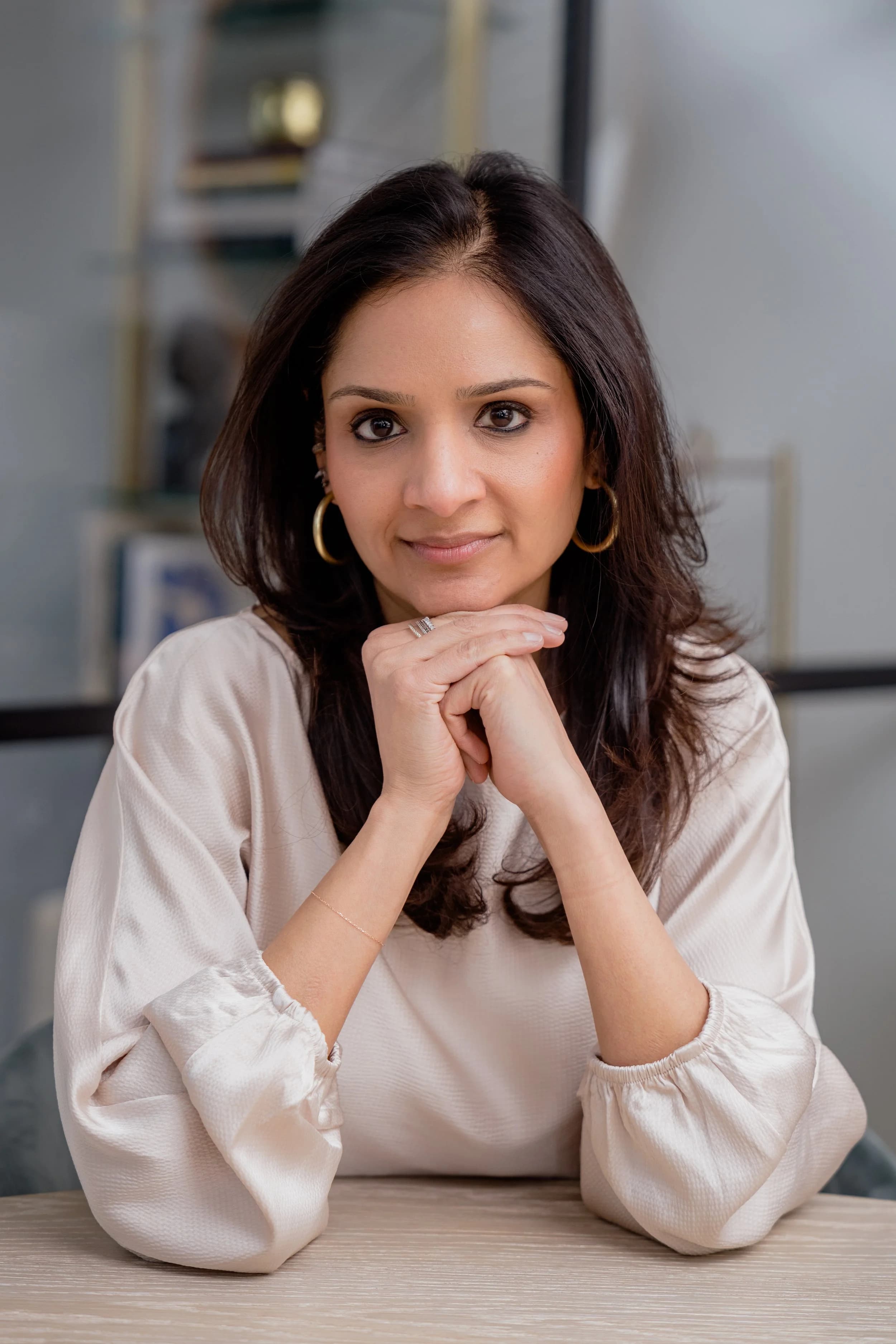
NGL 2026 is co-chaired by Anant Vinjamoori, MD, MBA, a Harvard-trained physician and operator who has built scalable healthspan-focused clinical models as founder of Next Generation Medicine; Deepti Agarwal, MD, MBA, a triple board-certified physician working at the forefront of women's health and precision medicine; and Naoko Kita, PhD, a Japan-based healthcare executive who has spent her career translating Japan's longevity traditions into modern clinical and business practice. The conference is organized by Next Generation Medicine Japan, a nonprofit association formed in 2026 to connect Japan's longevity infrastructure with the rest of the world.
What makes it different from other longevity conferences?
Most serious longevity events fall into one of two camps: hype-driven gatherings with no evidentiary floor, or research conferences so conservative they dismiss anything that hasn't cleared a decade of trials. NGL 2026 is neither. Science is the credibility floor here, not the differentiator. The edge is putting institutional rigor, advanced clinical practice, business and policy fluency, and Japanese longevity culture in the same room. Think World Economic Forum for longevity, not another clinical seminar.
The reason this matters: institutions skip hype, and practitioners skip conferences that ignore what they're already doing in the clinic. NGL 2026 is the one cross-disciplinary venue where both show up — and where the agenda refuses to pretend that peptides, regenerative medicine, and AI-driven care are futuristic topics clinicians can wait out.
Why Osaka, Why Japan
Why hold a global longevity summit in Japan?
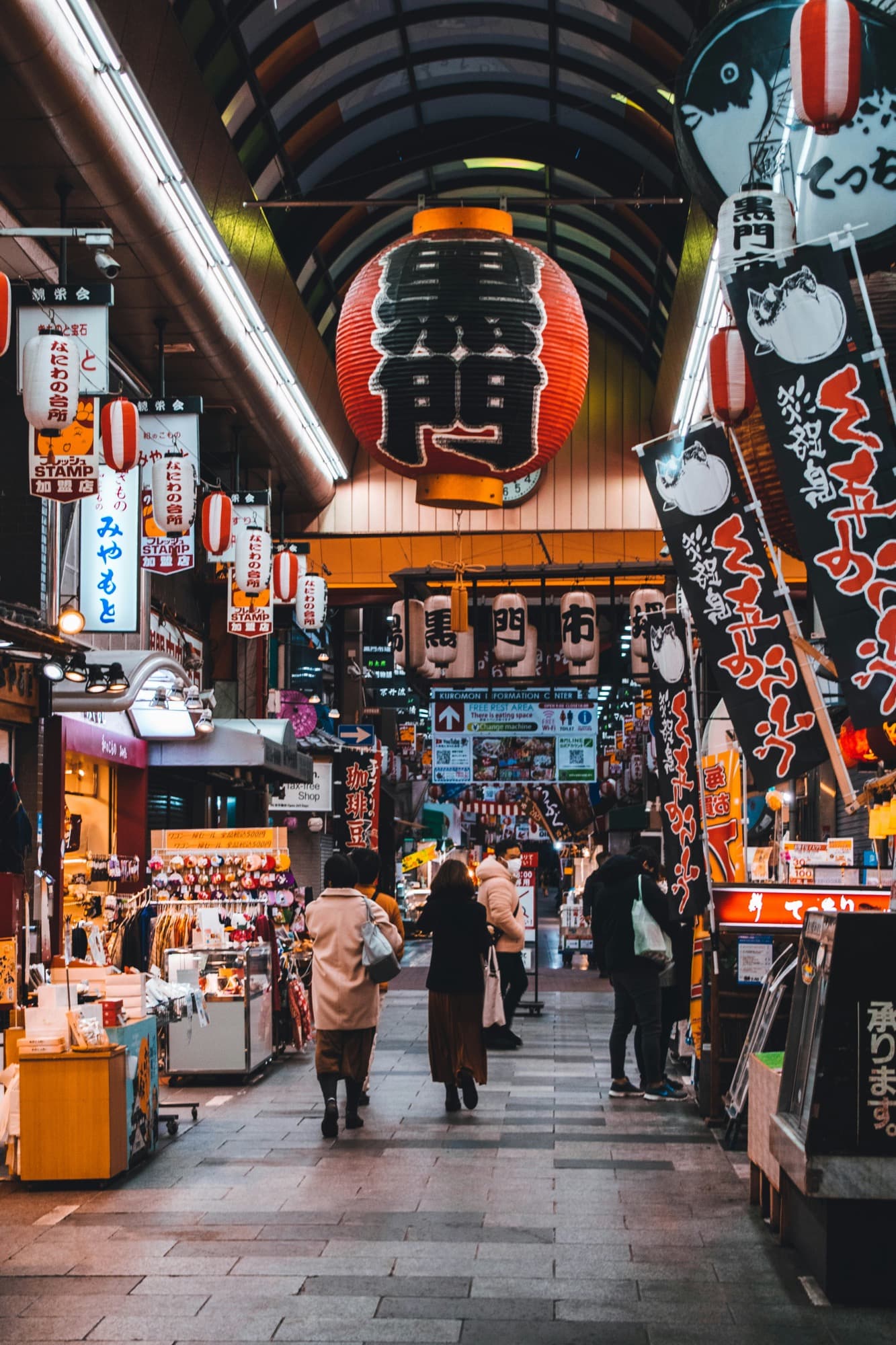
Japan is the world's most consequential test case for aging demographics, and it carries the deepest cultural relationship to longevity of any country that could host this. It is also high-signal and low-noise — the hype that has taken over longevity elsewhere hasn't infiltrated the space here — with a regulatory landscape that lets advances like regenerative therapies move faster than in other markets. That makes Japan the central node of Asia-Pacific longevity: the place where the deepest conversations can move forward with conviction and set a blueprint the rest of the world adopts. The program treats Japan's environment, food culture, and communal practices as part of the evidence base for healthy aging, not a travel backdrop.

What is Nakanoshima Qross?
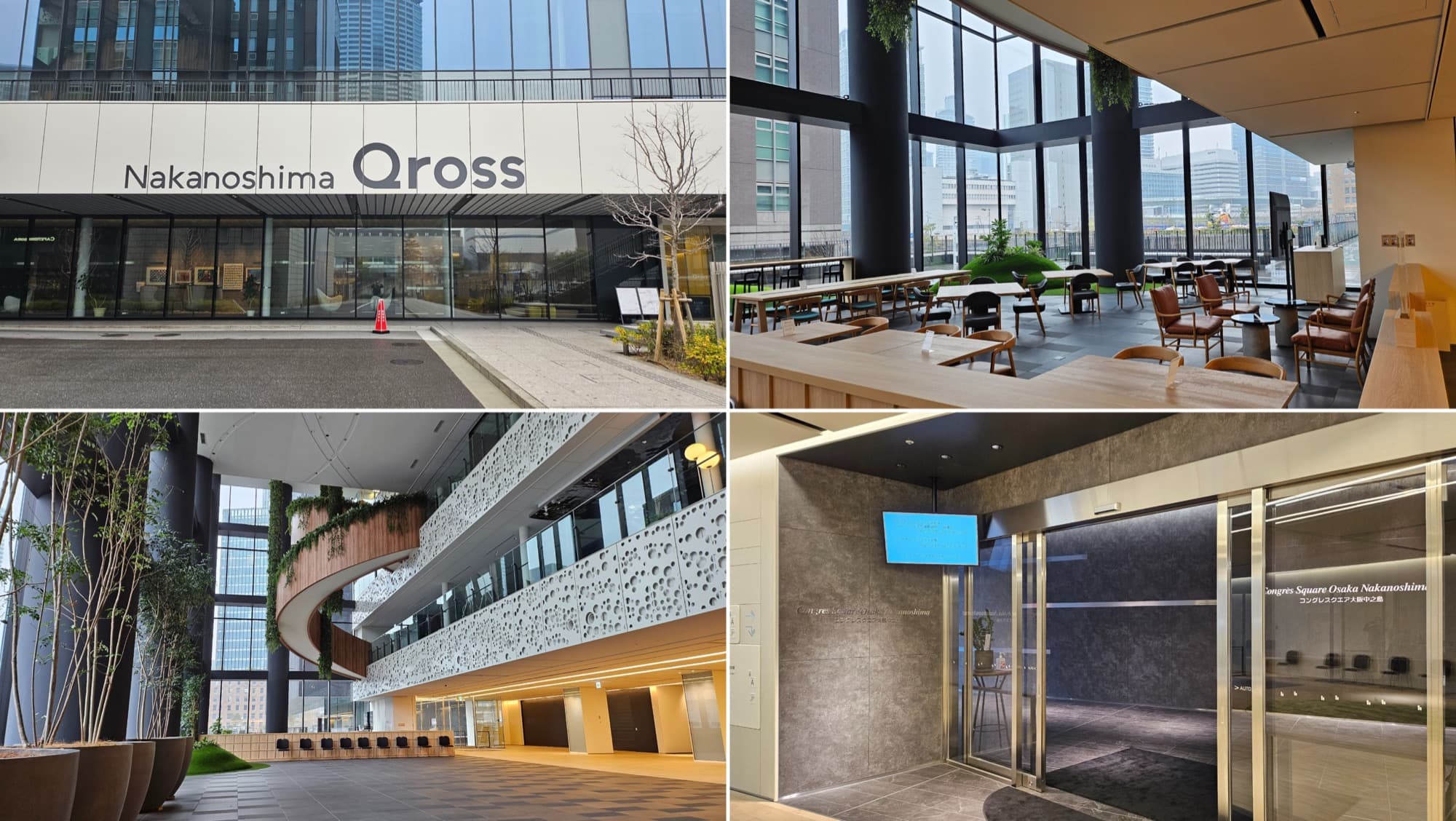
Nakanoshima Qross is a government-backed regenerative medicine innovation hub that brings medical care, research, commercialization, and international exchange together at one site. Hosting NGL 2026 there places the conference inside Osaka's future-medicine ecosystem and creates a practical meeting point for Japanese medical innovation and global longevity medicine.
What happens beyond the main program?
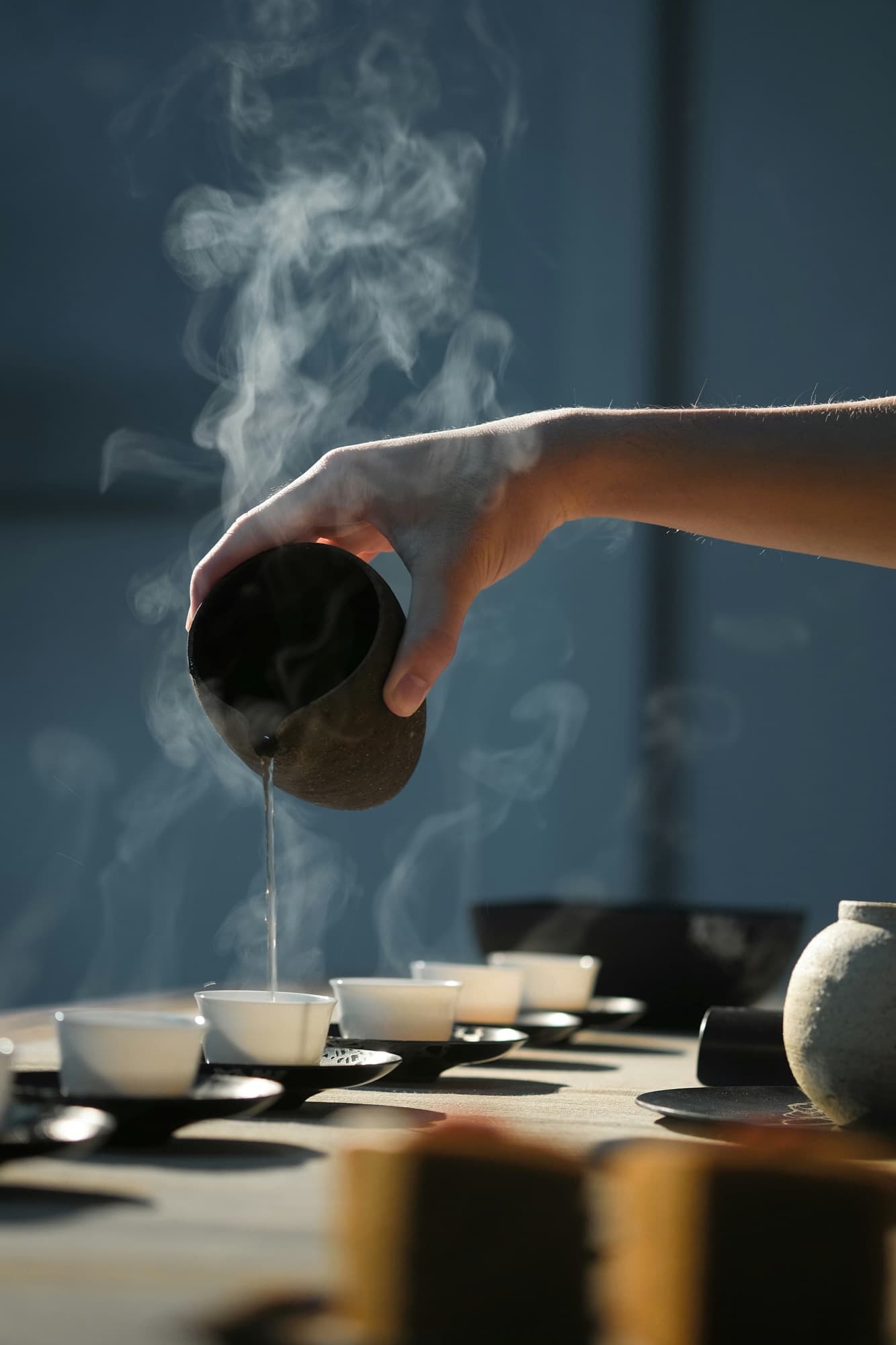
The conference opens with an informal morning of matcha and networking, inspired by Japanese tea culture, before the first keynote. Day 1 closes with a curated sake tasting rooted in Japan's fermentation traditions. For attendees staying longer, NGL 2026 is followed by the Nagano Longevity Insights Study Tour, a two-day, one-night extension on October 17–18 — one of Japan's longest-lived regions, home to the elders locals call “Green Centenarians” — traveling by Shinkansen from Osaka. The tour includes a centenarian exchange, Zenko-ji Temple's dawn service and a shojin ryori dinner, and a soba kaiseki lunch near Togakushi Shrine.
This is one of the conference's strongest differentiators, as strong as the agenda itself. Osaka's clinical infrastructure and Nagano's centenarian communities give NGL 2026 a lived demonstration of healthy longevity that no slide deck can replicate.
Japan does the environment and tradition of longevity better than anywhere else. NGL 2026 is built to prove it, not just say it.


Format: The Room, Not Just the Agenda
What does the on-site format actually look like?
NGL 2026 is built around debates and fireside chats, not a parade of keynotes. Sessions are structured for disagreement and cross-examination between a clinician, a founder, and a policy voice, rather than sequential presentations. Day 1 runs the summit's foundational sessions; Day 2 shifts to workshops and implementation, so ideas raised on Day 1 get tested against a clinic's or a company's actual constraints.
What is the “faculty model”?
Instead of a rotating cast of one-off speakers, NGL 2026 uses a small core faculty that engages across multiple sessions. The same voices show up in a morning debate, an afternoon workshop, and an evening fireside chat, so arguments carry across the two days instead of resetting with every new speaker.
Any session-specific participation or attribution guidance will be explained on site before that session begins.
What the Program Covers
What topics does the agenda cover?
Program highlights confirmed so far include:
A panel on what these tools are actually measuring, where they fit in clinical practice and businesses, and where that measurement breaks down.
Aging signatures and longevity interventions discussed system by system: brain, heart, gut, hormones, with cross-specialty clinicians comparing what's working and how they integrate.
What's actually scaling in clinical settings today, where to implement, and its real limitations.
A hands-on session on workflow support, patient education, and longitudinal personalized care.
Clinical case studies, real-world applications, and how Japan is positioned to enable faster clinical impact and advancements.
The science of purpose, social connection, and motivation in healthy aging, including practical frameworks and applications in longevity medicine practices.
Insurance, policy, employer models, and how to navigate bottlenecks when prevention meets the conventional medical system.
What makes this different from academic conferences?
Panels are held to a real-evidence bar, but the agenda is built around outcomes attendees can act on: a curated introduction structure for deal flow between founders and investors, and hands-on workshops rather than lecture-only sessions. The business and ecosystem of longevity is explicit program territory, not a hallway conversation: cross-cultural differences in protocol adoption, concrete mechanisms for integrating AI, and how employer and insurance models intersect with prevention. The goal is a room where a clinician leaves with something to change on Monday and a founder leaves with a warm introduction and a structured partnership lead that facilitates growth, not just a business card.
What You Leave With
Personal Action Blueprint
What does an attendee actually leave with?
NGL 2026 runs an outcome desk, not just a registration desk. Every attendee leaves with a personal action blueprint: a written, specific set of next steps built around their own practice or business — cross-disciplinary partnerships matched to each side's goals, plus milestones, KPIs, and follow-up after the conference ends.
AI Prototype Packet
What is the AI prototype packet?
Every attendee also leaves with an AI prototype packet: practical tooling to streamline the mechanical-but-important work you can hand off, automate, and implement the week you get home. It includes a primer on building an MCP (Model Context Protocol) server — the connector standard that lets an assistant like Claude talk to the tools and data sources you choose — plus a walkthrough for choosing your first use cases: low-risk, high-volume work like patient refill intake, scheduling, records requests, and FAQ handling. These are demoed live at the summit, so the packet is a working artifact, not a brochure.
What happens after the conference ends?
NGL 2026 is not a one-off event. Attendees get outcome-desk check-ins and continued support translating their action blueprint into practice. The summit is designed for durable change in how attendees practice or build, not a temporary high that fades once the flight home lands.
Confirmed Faculty
Individually confirmed program faculty
NGL 2026's faculty spans research institutions, clinics, and companies across three continents. The roster below reflects the current individually confirmed program faculty.
Anant Vinjamoori, MD, MBA
Next Generation Longevity 2026
Deepti Agarwal, MD, MBA
Next Generation Longevity 2026
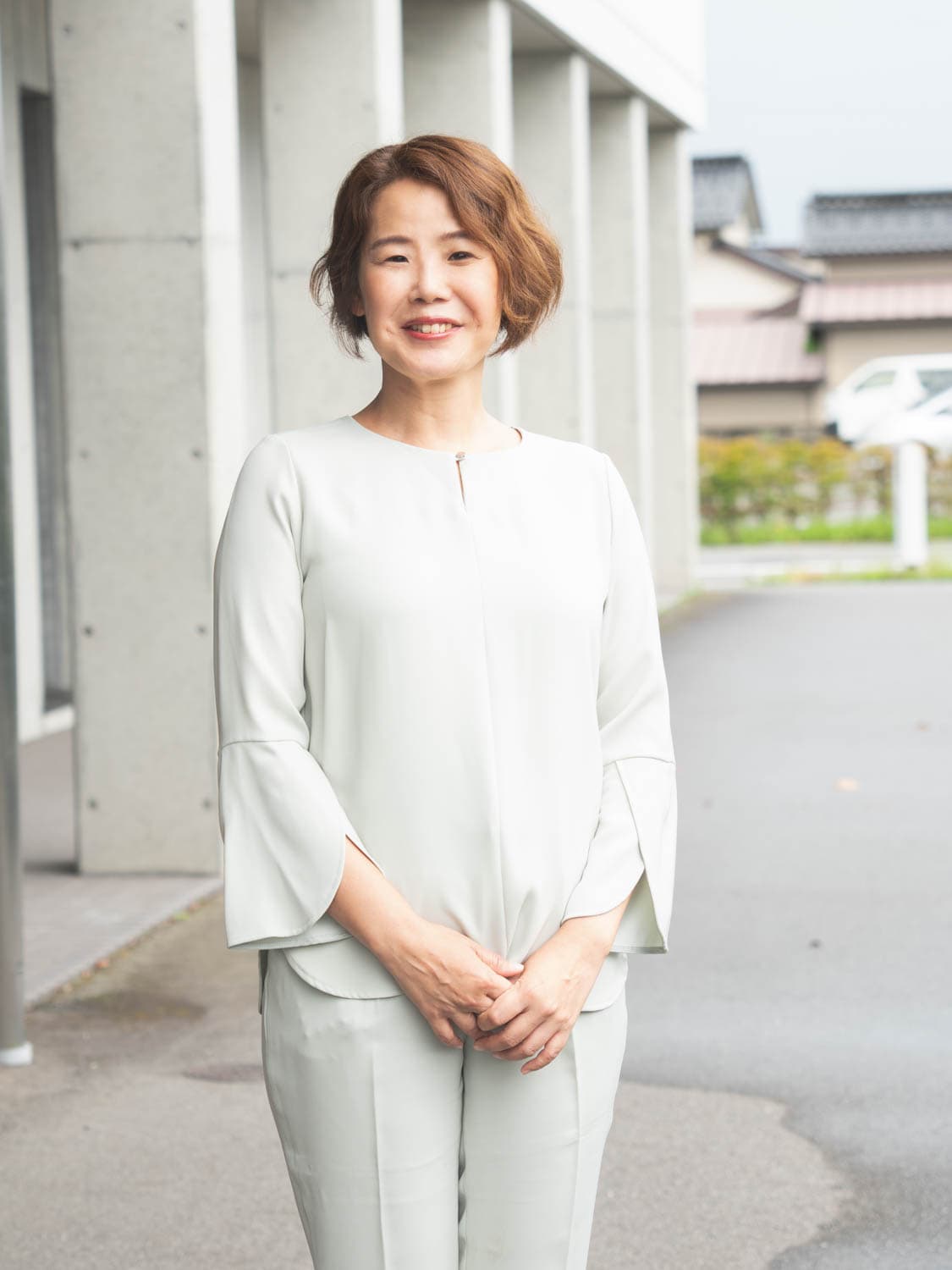
Naoko Kita, PhD
Japan-based healthcare executive
Conference leadership: Anant Vinjamoori, MD, MBA; Deepti Agarwal, MD, MBA; and Naoko Kita, PhD, co-chairs. Institutional anchor: Nakanoshima Qross.
Who Should Attend, and Why
NGL 2026 is built for five overlapping groups. Each gets something specific out of the two days, not a generic networking opportunity.
Focused on learnings you can apply on Monday morning. Sessions on peptides, hormones, biological age diagnostics, and regenerative medicine protocols are built around what is defensible to prescribe or recommend now. Biomarkers-and-AI sessions are designed to sharpen how you interpret the tools already in your workflow, alongside panel discussions on navigating insurance and employer models for real-world implementation. Clinicians leave with a personal action blueprint, not just slides.
Direct access to the people who can fund, staff, or distribute what you are building, plus sessions designed around the integration of longevity products and services into longevity medicine practice. Day 2's workshops are built for implementation, not inspiration.
A first-look position in Asia-Pacific longevity deal flow, at a moment when capital is still figuring out where the region's category leaders will come from. The conference is structured to surface builders and clinical operators in the same room as the people who can fund them.
Access to decision-makers, not booth traffic. NGL 2026's launch partners and major industry backers get a reviewed attendee list, direct introductions, and editorial and LinkedIn amplification around the event rather than a hall full of undifferentiated exhibitors. Institutional and venue backing carry the credibility here, not a sponsor logo wall. For those looking to expand to APAC, a one-time opportunity to be in the room with some of Japan's most influential physicians who will formally establish the nation's first longevity-focused medical society.
A comprehensive program that does not require prior fluency. Sessions build from mechanism to practice, and the breadth of topics, from hormone optimization to AI applications to regenerative medicine protocols, is designed so a first-time attendee leaves oriented, not overwhelmed.
Logistics
When and where is Next Generation Longevity 2026?
October 15–16, 2026, at Nakanoshima Qross in Osaka, Japan. The nearest major transit connection is Shin-Osaka Station; the venue is roughly 15 minutes away via the Midosuji subway line to Yodoyabashi Station, or 20–25 minutes by taxi. Nakanoshima Qross sits on Nakanoshima Island, within walking distance of major hotels and Osaka's waterfront dining district.
How do I register?
Applications for NGL Osaka 2026 are now closed. If you already have an invitation, please use the registration link in your email.
Who else is attending?
NGL 2026 draws physicians, researchers, founders, and investors from more than 20 countries, alongside Japan's own longevity clinicians and institutions. Faculty spans precision medicine, regenerative therapeutics, digital longevity clinics, and clinical AI. See Confirmed Faculty above for the current roster.
Who sponsors NGL 2026?
NGL 2026 is backed by launch partners and major industry backers across longevity diagnostics, therapeutics, and digital health. Institutional and venue backing — Nakanoshima Qross, a government-backed regenerative medicine innovation hub, launching the first longevity-focused medical society in Japan — carries the credibility here, not a sponsor logo wall.
What about the Nagano study tour?
The Nagano Longevity Insights Study Tour is a separate two-day, one-night extension on October 17–18, built around Nagano, one of Japan's longest-lived regions — where locals call their most vital elders “Green Centenarians.” Attendees travel by Shinkansen from Osaka; Day 1 brings an afternoon centenarian exchange and a shojin ryori (Buddhist vegetarian) dinner, and Day 2 opens with Zenko-ji Temple's dawn service (O-asaji) and a juzu blessing, followed by autumn-foliage viewing and Togakushi Shrine, a soba kaiseki lunch, a traditional foot bath (ashiyu), and a sake and miso brewery visit. Check the current sales status on the Nagano excursion page.

Applications are closed
Applications for NGL Osaka 2026 are now closed. If you already have an invitation, please use the registration link in your email.
Medically reviewed by Anant Vinjamoori, MD, MBA — founder at Next Generation Medicine and Modern Age, advisor to Superpower and Midi Health. Longevity physician, operator, and leading authority in longevity science, medicine, technology, and business, who has built scalable healthspan-focused clinical models for top names in the longevity industry. Harvard Medical School, Harvard Business School.